What is Documentary Wedding Photography—and Is It Right for You?
The term “documentary wedding photography” gets thrown around a lot these days, originating from a more photojournalistic approach of letting things “be” as they are, a more non-traditional wedding photography approach than your parents may have had of the posed portraits. But documentary wedding photographers range in their approach and interpretation of the term, so it’s important to understand what this actually means, and whether it can be good for what you’re looking to achieve. Here are a few of my thoughts!
1. Understanding the Different Wedding Photography Styles
Before diving into what documentary wedding photography is, it’s helpful to understand how it compares to other common styles:
- Traditional Photography
This is the classic style your parents likely had—posed, formal, and often shot with a list of must-have images (think: group photos, looking at the camera, smiling). It’s directed and often feels more structured throughout the day. - Editorial Photography
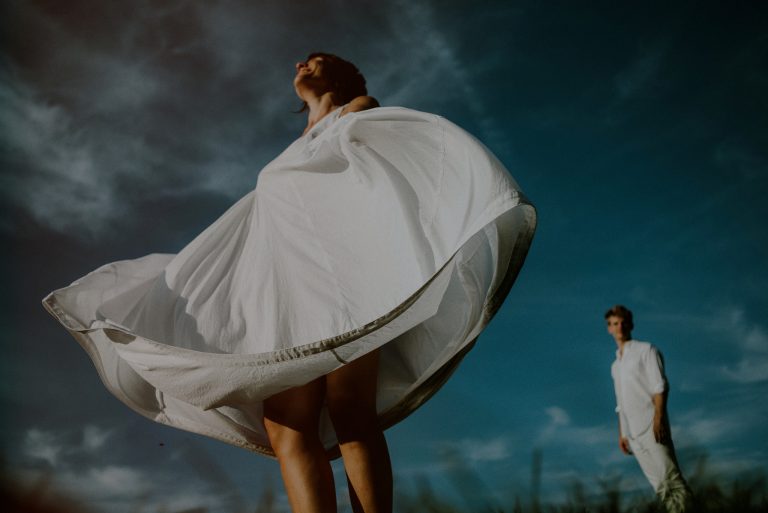
Inspired by fashion magazines, editorial wedding photography is all about beautiful lighting, dramatic poses, and art direction. These photos are curated and stylized—elegant, cinematic, and polished. - Documentary Photography
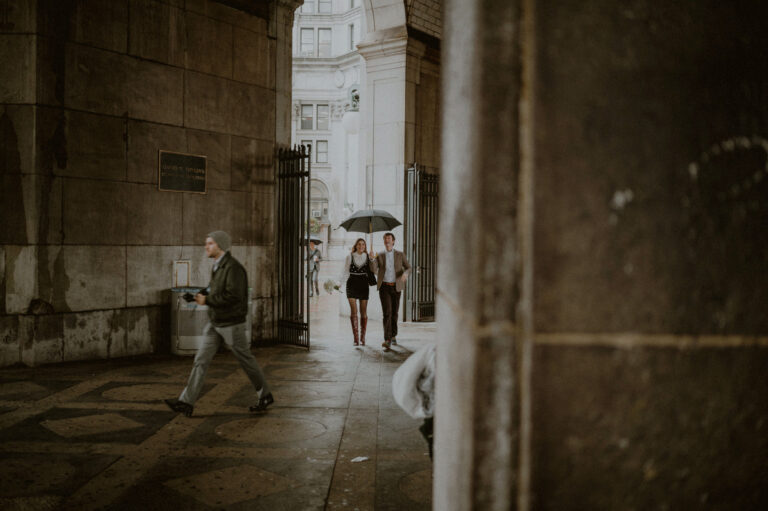
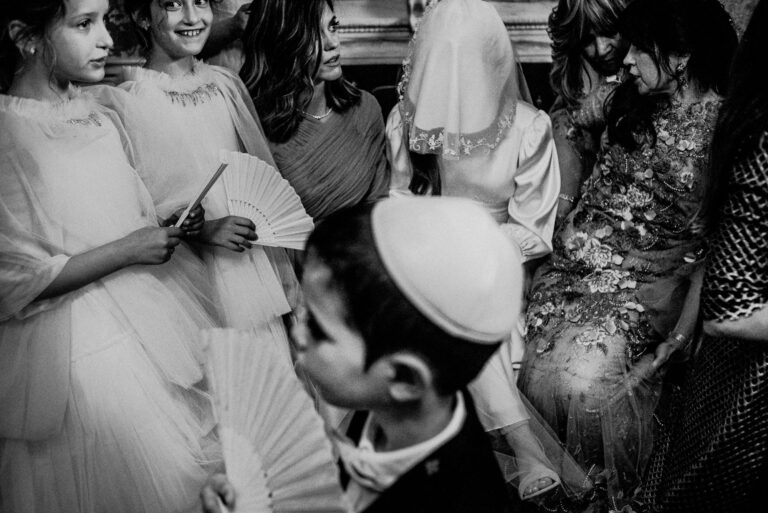
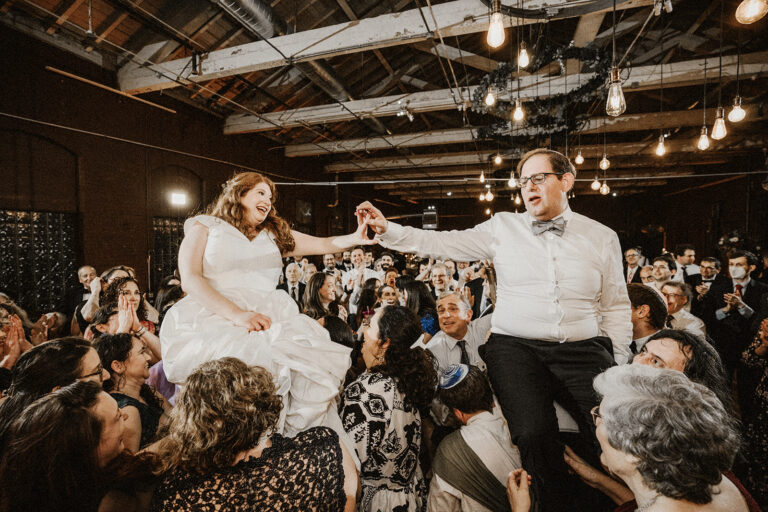
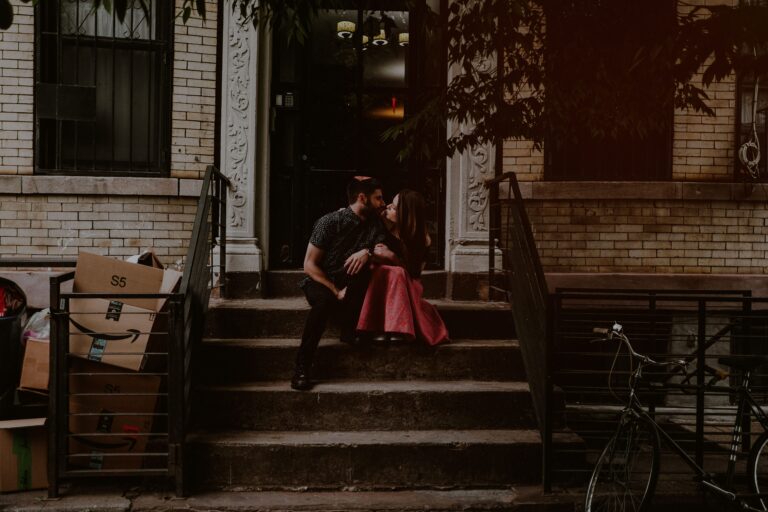
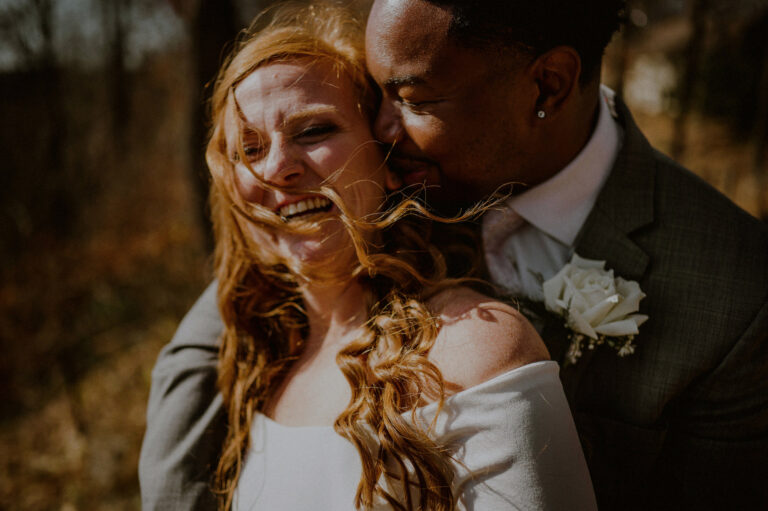
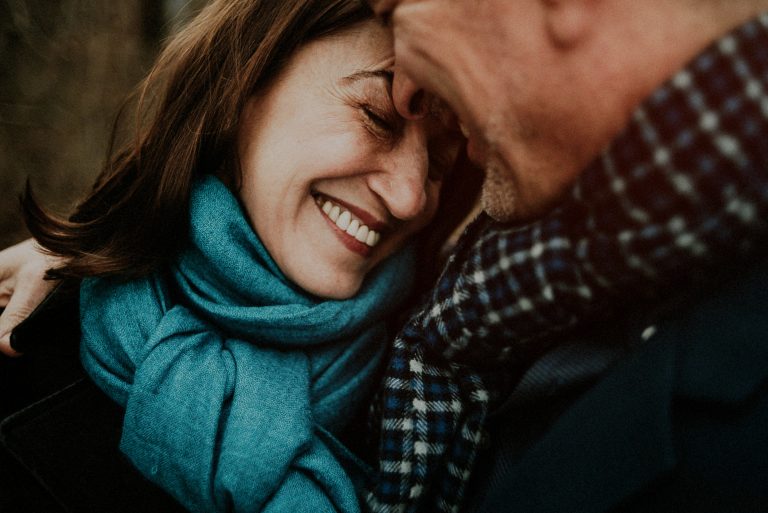
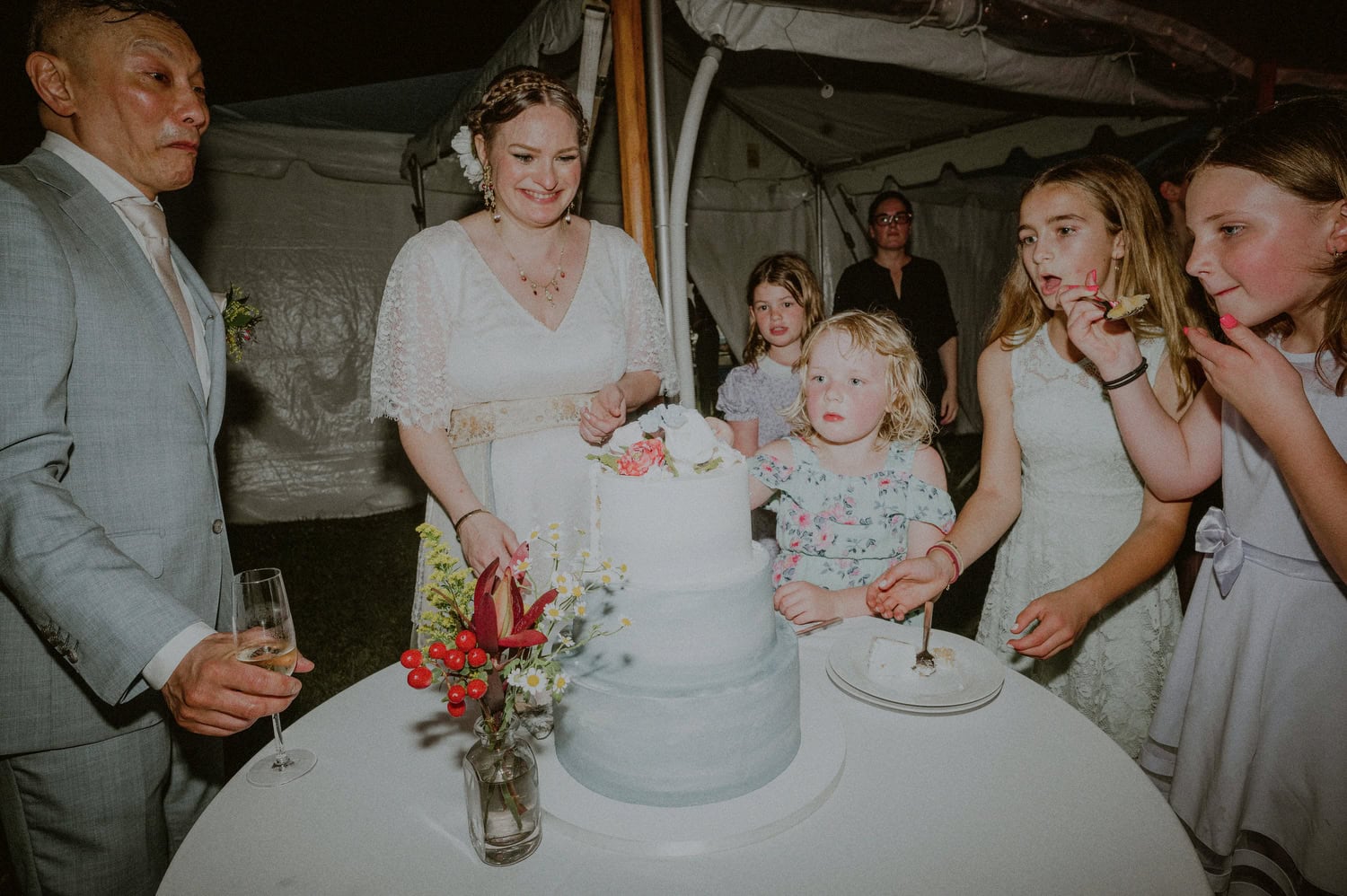
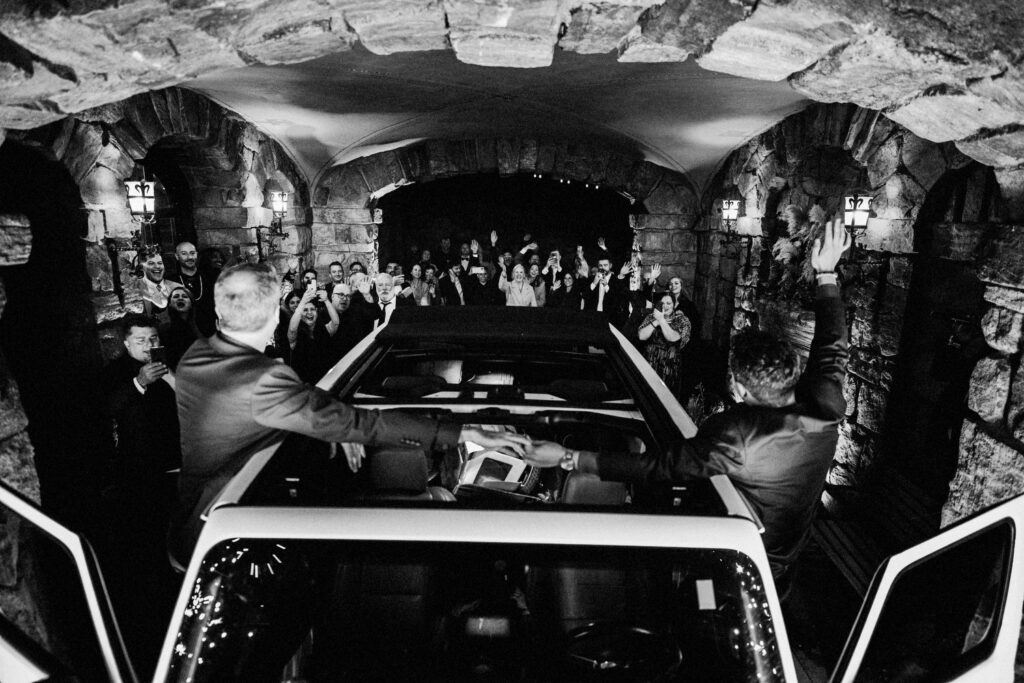
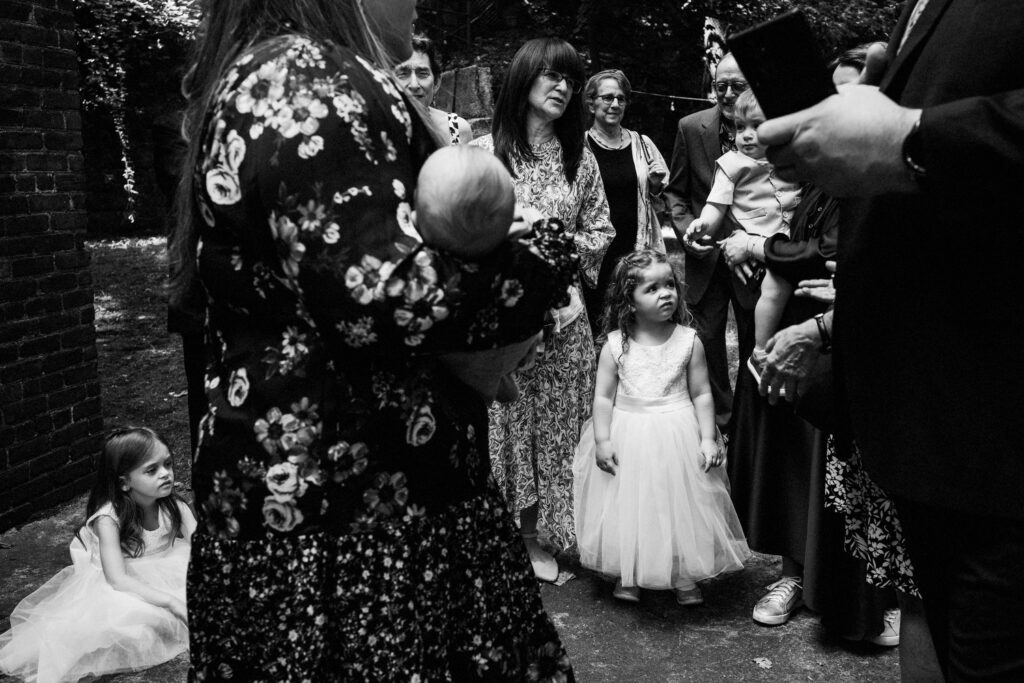
Also known as reportage or photojournalistic wedding photography, this style focuses on capturing real moments as they unfold. It emphasizes truth over perfection—the laugh between vows, the nervous hand-holding before the first look, the tearful hug from a parent. Nothing is staged; it’s about being present and observant.
2. Not All Documentary Photographers Work the Same Way
This term of “documentary wedding photography” gets thrown around quite a bit, especially these days, but it’s important to note that within the documentary style, there’s a spectrum:
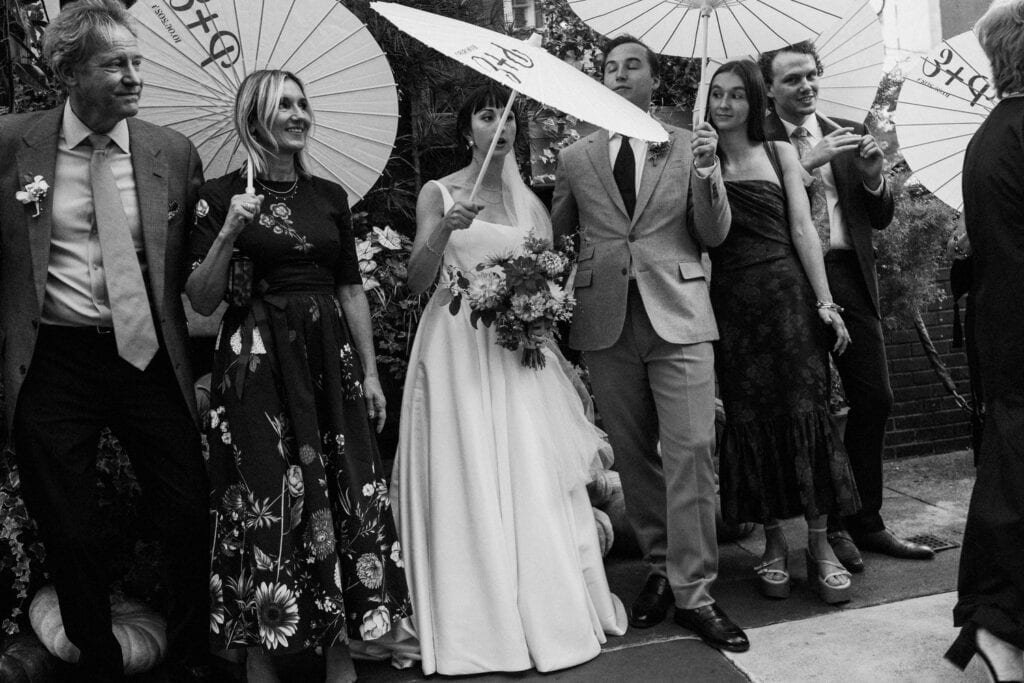
- On one end are pure documentarians, who photograph without any interference whatsoever. They blend into the background and never offer direction—not even for portraits. They are expert observers, know how to place themselves for the best moments, and know what to watch out for to get moments that feel truest to you.
- On the other end are guided documentary photographers, who still prioritize candids but may gently prompt things like walking toward the light or adjusting a scene to allow for a more flattering result—without turning it into a pose. Many of the documentary style “moments” that you see are often driven by prompts to make them appear natural. The photographer is still capturing that natural moment, however it was prompted by them to obtain a specific result.
👉 Where I fall:
I’m somewhere in the middle, leaning more toward the documentary side. My priority is not to interrupt or impose my ideas on your day—but to interpret what’s already happening and find the beauty in those in-between moments. If needed, I may lightly guide for the sake of composition or lighting, but never at the expense of authenticity.
3. How I Approach Couple Portraits the Documentary Way
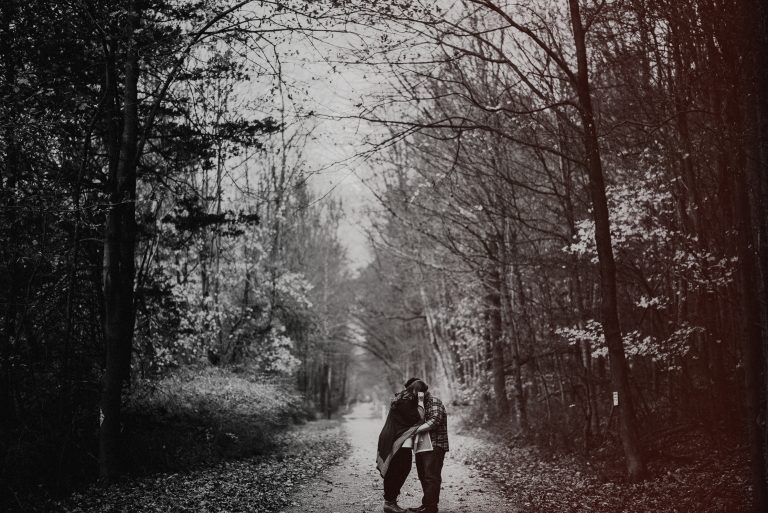
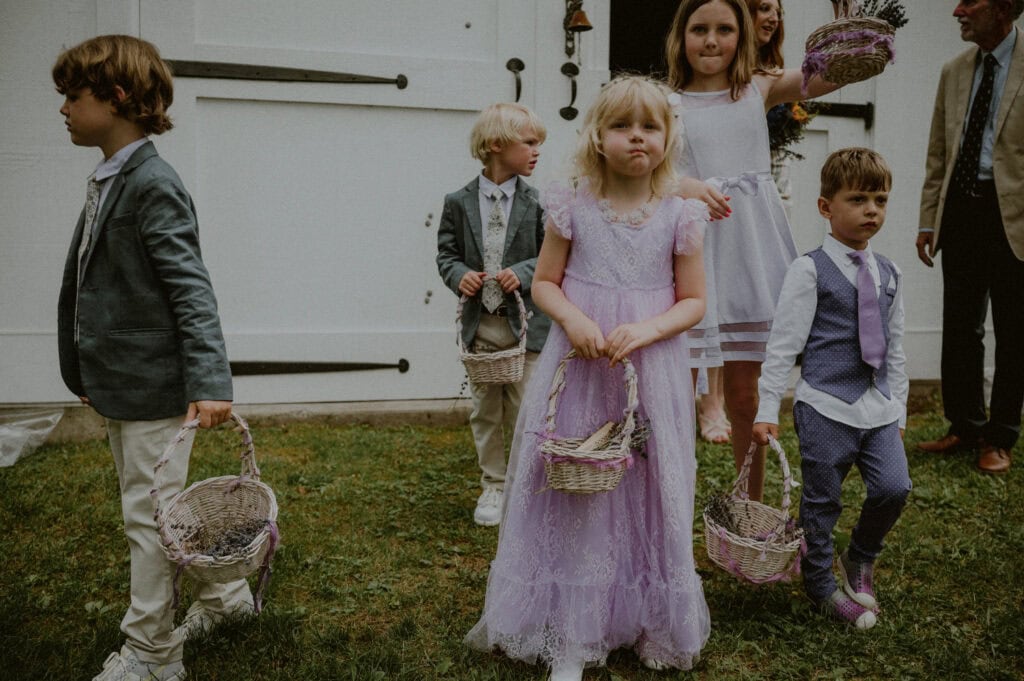
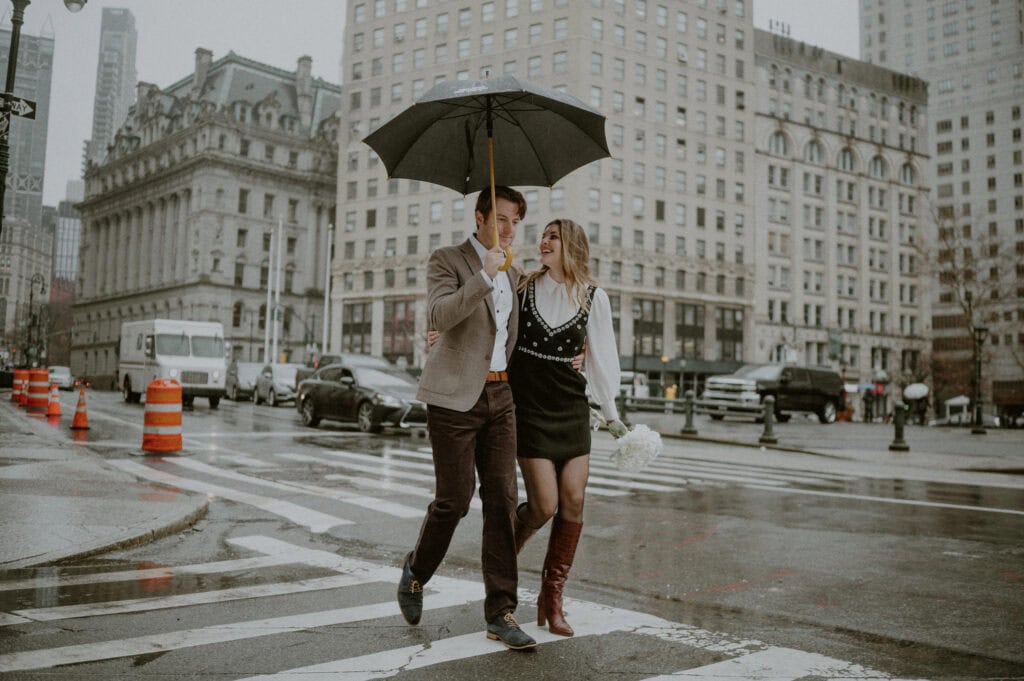
When it comes to portraits, my approach is gentle and observant. We take a walk together—sometimes around your venue, a nearby street, or a favorite spot—and I let you be you. There’s no list of “go-to” poses, no awkward instructions or forced PDA. I may offer small cues, like “hold hands” or “take a deep breath together,” but only to create space for your natural connection to come through.
The goal? For the photos to feel like a memory—not a photoshoot.
4. Why I Believe a Documentary Approach Is the Best Way to Capture Your Wedding
- It’s unobtrusive—I won’t pull you away from a meaningful moment to get a “better shot.”
- It’s unique to your story—no two weddings look alike, and I don’t want yours to be a replica of someone else’s.
- It’s emotionally rich—you’ll see real expressions, not staged smiles.
- It’s timeless—honest photos never go out of style.
The day goes by fast. You deserve photos that reflect the way it felt, not just how it looked.
5. A Documentary Approach Is Right for You If…
- You want to feel present on your wedding day, not pulled into a photo schedule.
- You’re more interested in authentic emotion than curated perfection.
- You value moments over aesthetics—the messy, tender, unexpected ones included.
- You’re camera-shy or feel awkward posing and would rather just be yourself.
- You love storytelling and want your photos to feel like a narrative unfolding.
6. A Documentary Approach May Not Be Right for You If…
- You want a photographer who will pose you from head to toe throughout the day.
- You have a detailed shot list of Pinterest poses to recreate.
- You’re looking for high-fashion, stylized editorial imagery centered around posing.
- You prefer full control over how every photo is staged and composed.
7. What Documentary Photography Isn’t
- It’s not sloppy or unintentional—it’s thoughtful and deeply observant.
- It’s not lazy or hands-off—it requires attentiveness, skill, and emotional sensitivity.
- It’s not about avoiding portraits—it’s about capturing portraits that feel like you.
8. How I Incorporate This Into Your Wedding Day
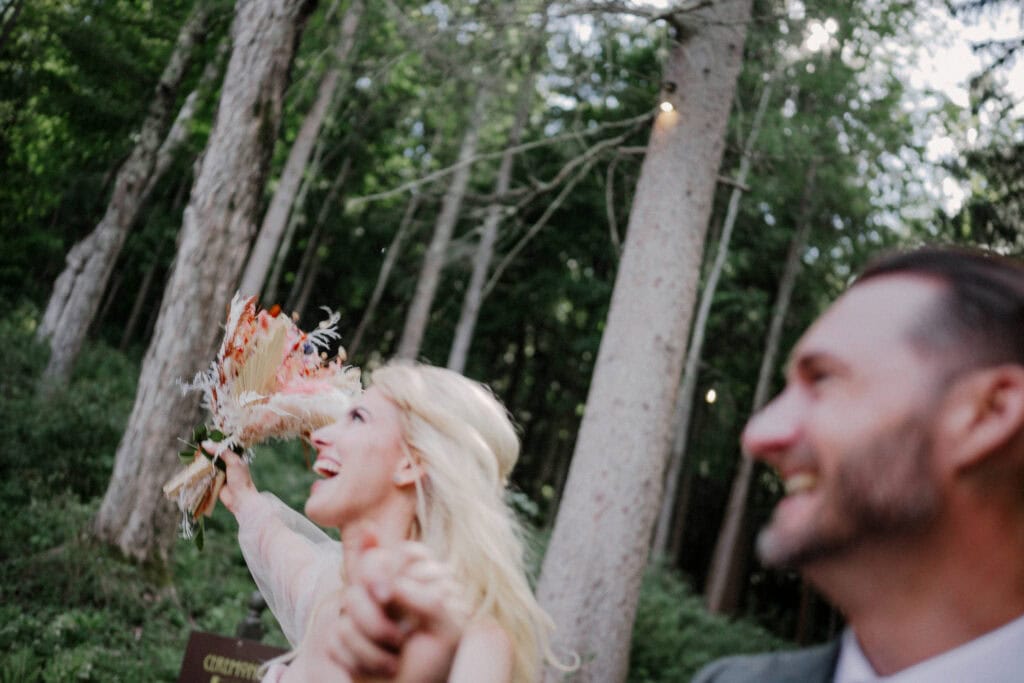
From the moment I arrive, I’m tuned into your energy, your family, your friends, and how the day unfolds naturally. I observe body language, emotion, interactions—and I photograph from a place of empathy and intuition. I don’t follow a rigid schedule, but I do follow the rhythm of your day.
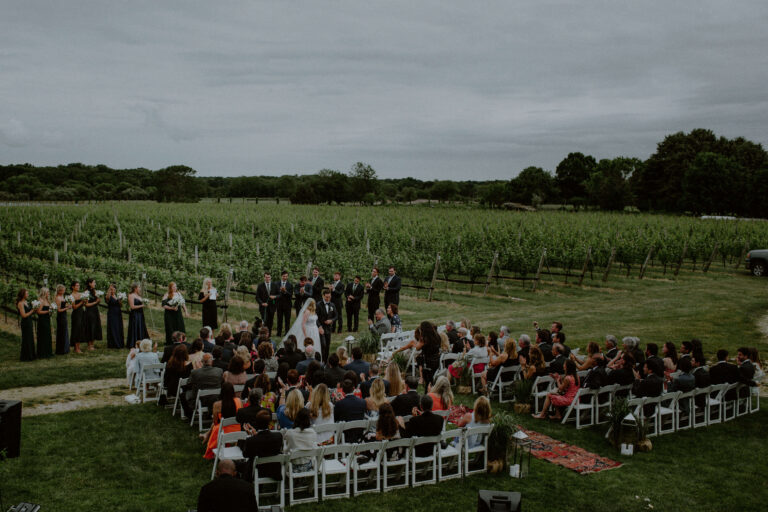
During portraits, I gently guide when needed, and then I step back. During the ceremony and reception, I quietly witness and document, so that when you look back, your photos feel like being there all over again.
9. In Summary
Documentary wedding photography is about presence. It’s about truth. And it’s about trusting your photographer to see you—not stage you.
If you’re dreaming of a wedding gallery that tells the story of your day just as it was—with its laughter, quiet moments, movement, and emotion—this approach might be exactly what you’re looking for.